Movement and Mental Health: Manchester Mind and Moodswings Lead the Way
01/08/2025
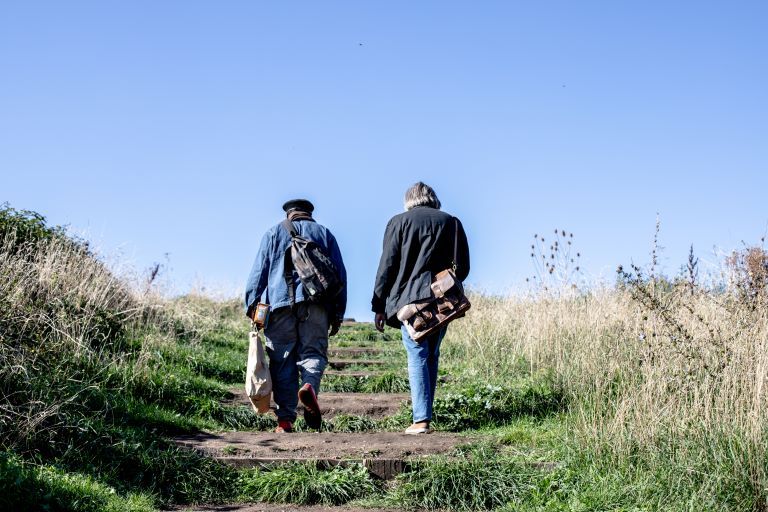
Manchester Mind and Moodswings are leading the way in showing how movement can be embedded into mental health support with powerful results with new case study.
It’s well documented that physical activity can positively affect your mental wellbeing and can help manage stress, anxiety, depression and difficulty sleeping. However, barriers such as poor access to green spaces, affordable leisure facilities, and negative past experiences from participating in physical activity all prevent people from getting active.
GM Moving have joined Moodswings and Manchester Mind to understand how simple and practical schemes like walking groups can encourage activity, connection and also foster long-term active habits.
At Moodswings their walking groups align with their core ethos of the 5 Ways to Wellbeing, allowing people to connect, learn, and stay active in an accessible informal setting.
“The evidence to suggest that physical exercise has a positive impact on emotional wellbeing, is widely documented, and the interaction between the walkers provides a safe space in which feelings of isolation are reduced and a sense of companionship and togetherness is achieved.” Wayne, Moodswings
Here at Manchester Mind, there are several peer support groups that allow safe spaces for people to connect and open up. Since incorporating movement with a ‘Walk and Talk’ group, attendees are able to still talk about their mental health whilst learning about new hobbies and methods of self-care. With the quarterly evaluation of the group finding that a staggering 83% of attendees found themselves more active as a result.
“We recognised that our Peer Support groups were static, either online or room based, when thinking about how mental health can be improved, we were missing the element of being physically active. We looked at the benefits of walking and how we could incorporate this into our Peer Support model. Ensuring that people could still talk about their mental health, but do so whilst being active and out in nature” Sean
Read about the full findings of the case study.
Find out more about our peer support groups, including our new walking football group.